Every Painter Paints Themselves
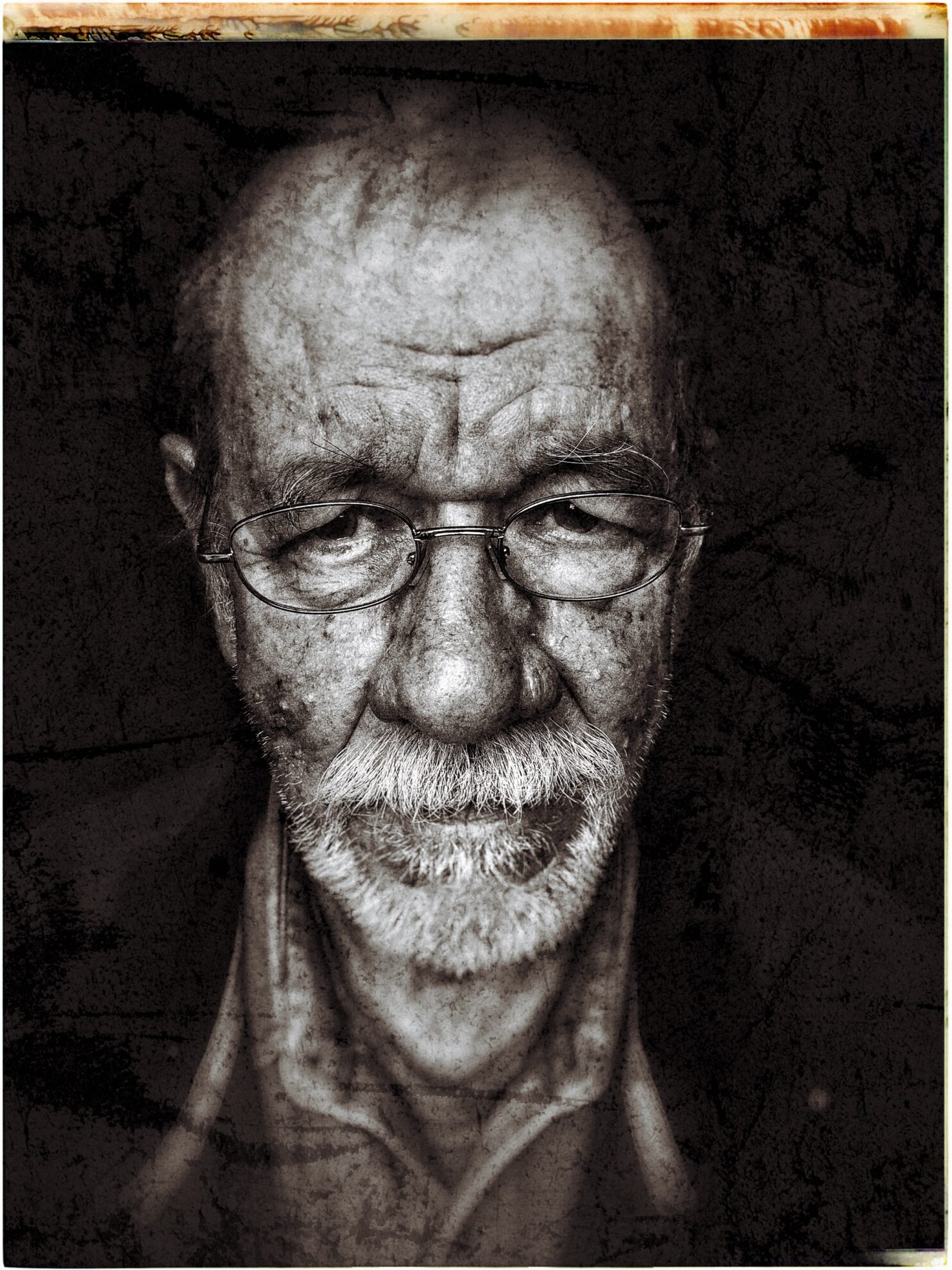
Why do artists use themselves as subjects?
Self-portraiture has a long, stubborn, centuries-old history. Artists have always turned the lens — or the brush — back on themselves. Why? Because the self is the one subject we know from the inside out. It’s what makes us distinct. It’s shaped by experience, memory, doubt, ego, time. It goes far beyond simple appearance.
There’s even a term for it: automimesis. Or, in the older phrase, “Ogni Pittore Dipinge Sè” — Every Painter Paints Themselves. Consciously or not, artists mirror themselves in their work. Even when they aren’t painting their own face, they’re revealing something internal. In that sense, much art is an involuntary self-portrait.
Today, self-portraiture is more commonly recognised as the selfie. At least photographically, it’s the most literal form of self-representation. The artist — or anyone, really — using their own image from a first-person perspective to explore ideas, identity, technique, or simply presence. Sometimes it’s vanity. Sometimes it’s vulnerability. Often it’s both.
I was first introduced to self-portraiture as serious art through the work of Cindy Sherman, after visiting her exhibition at Manchester Art Gallery in 1994. I’ve never really embraced self-portraiture in my own practice. I prefer being on the other side of the camera — observing, shaping, constructing the frame rather than inhabiting it.
That said, it’s always humbling when an artist chooses to use a photograph I’ve taken of them as the starting point for their own self-portrait. There’s a quiet responsibility in that.
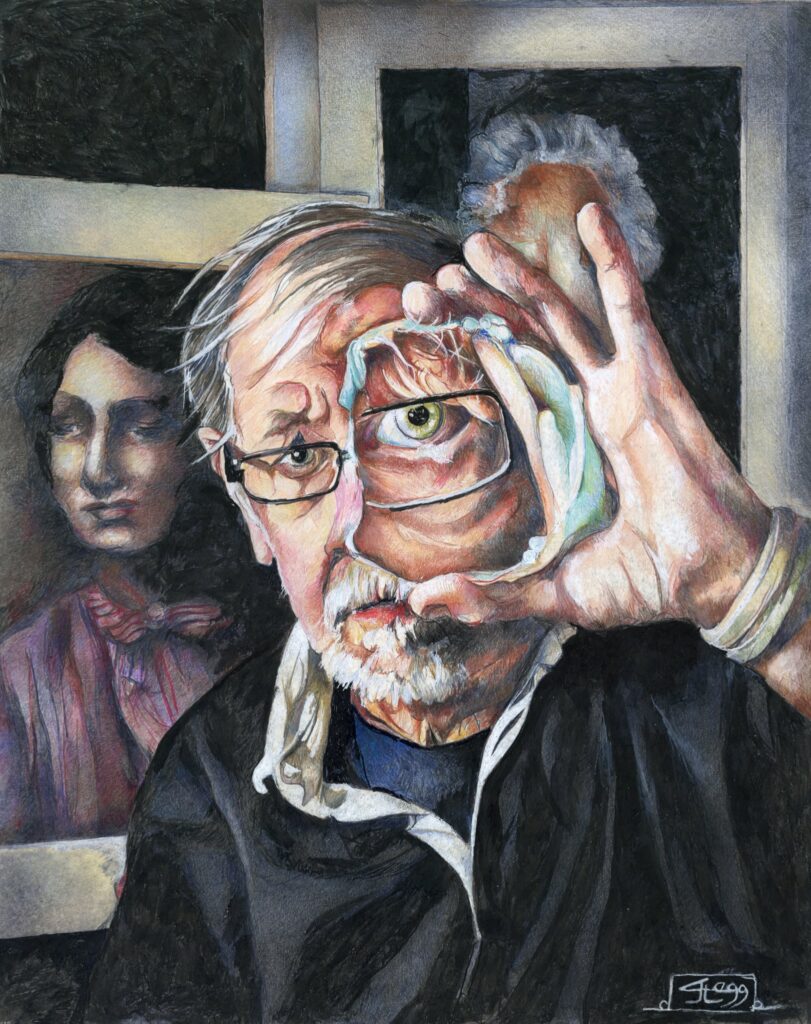
Gordon Clegg is an artist based in Stalybridge. For a time, we shared studio space in the same building. He has an extraordinary face — full of character — and I was constantly photographing him, in his studio or mine. He became one of the subjects in my Artists Tools project, and one of those photographs later formed the basis of his own painted self-portrait.

After a spell of illness, Gordon asked me to photograph him at home, surrounded by personal possessions. The image was to serve as the foundation for what he now refers to as his Memento Mori. Thankfully, his outlook is much brighter these days. But at the time, it was a stark reminder of how a photograph can sit at the centre of someone’s reflection on mortality.
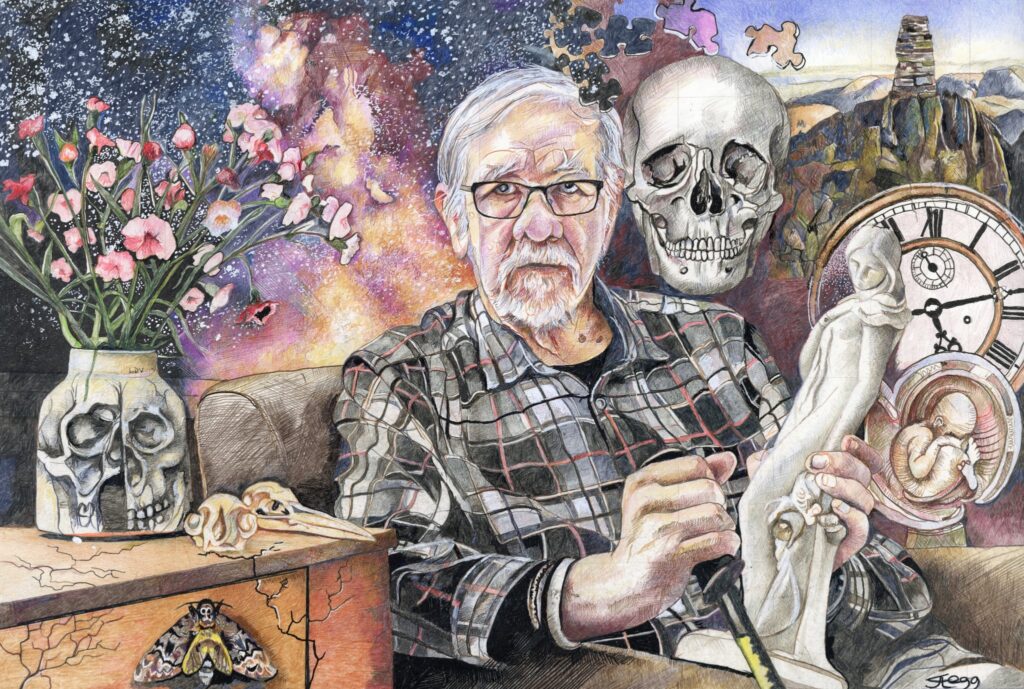
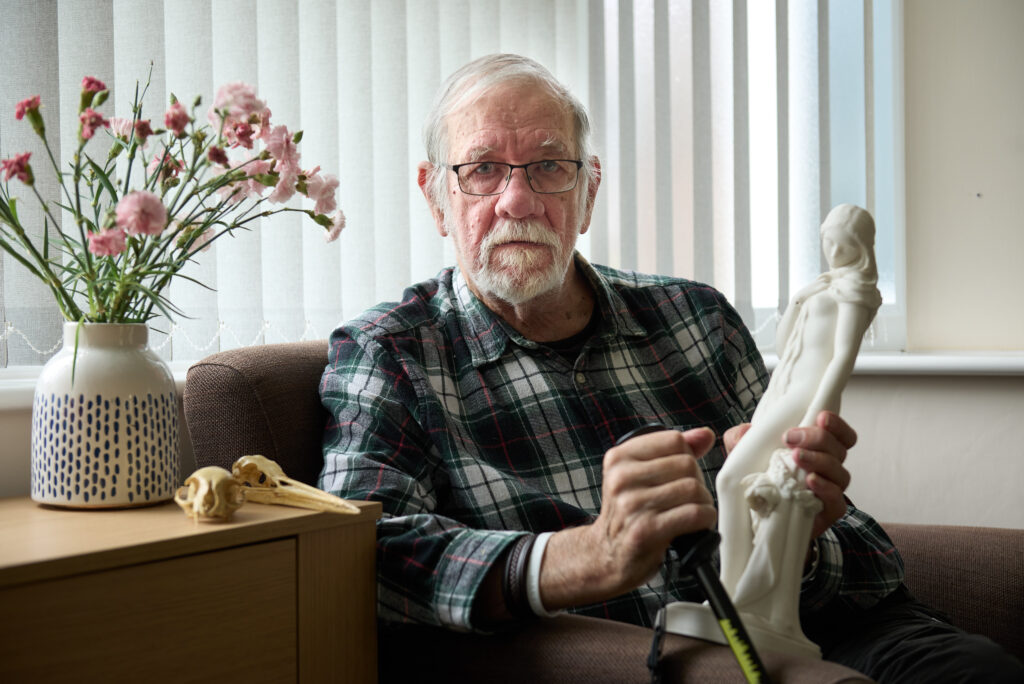
As photographers, we often think we’re just making pictures. But occasionally you realise you’re contributing to something far more personal — someone’s attempt to understand themselves, their life, or even their legacy. And that’s not something you take lightly.