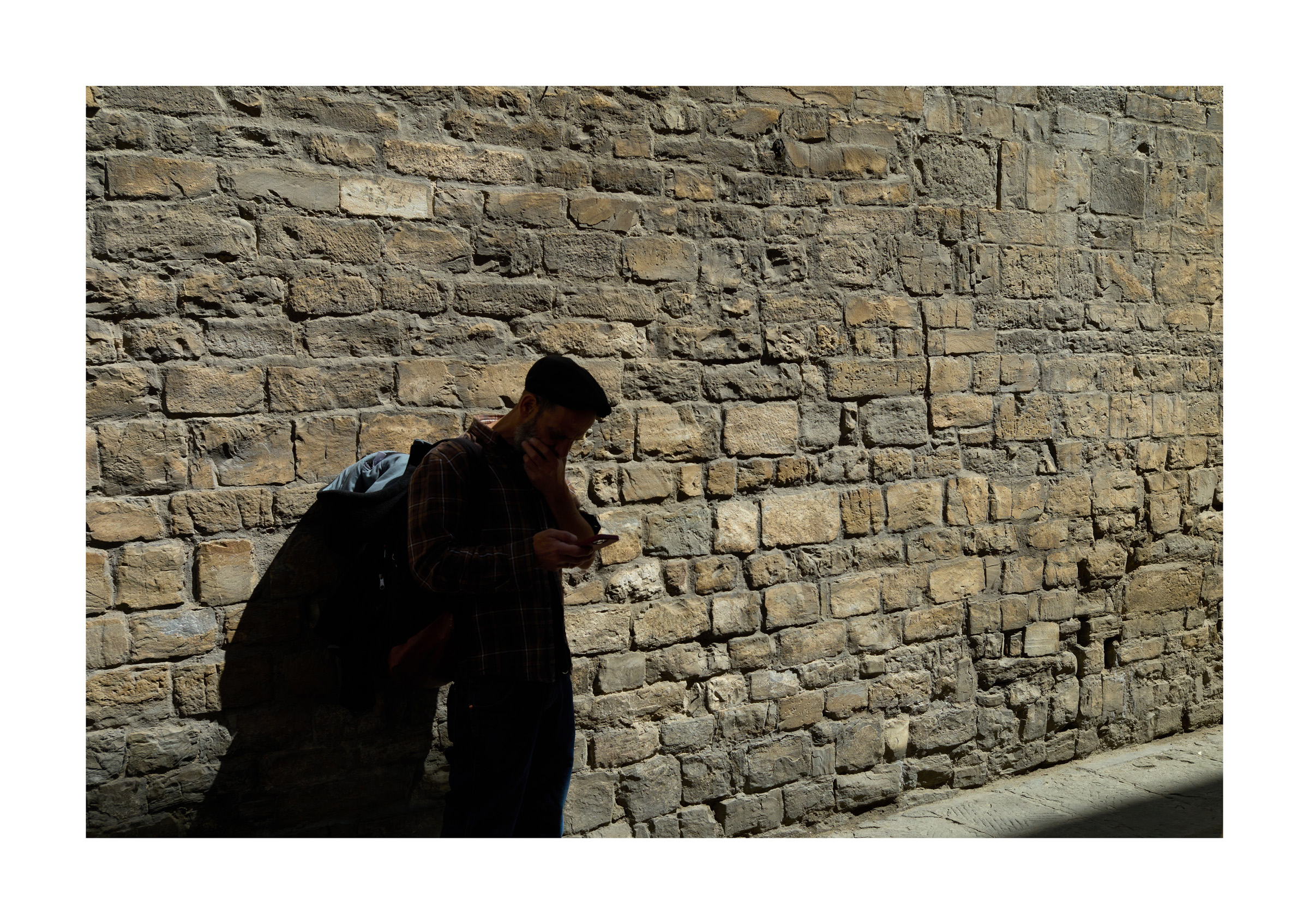
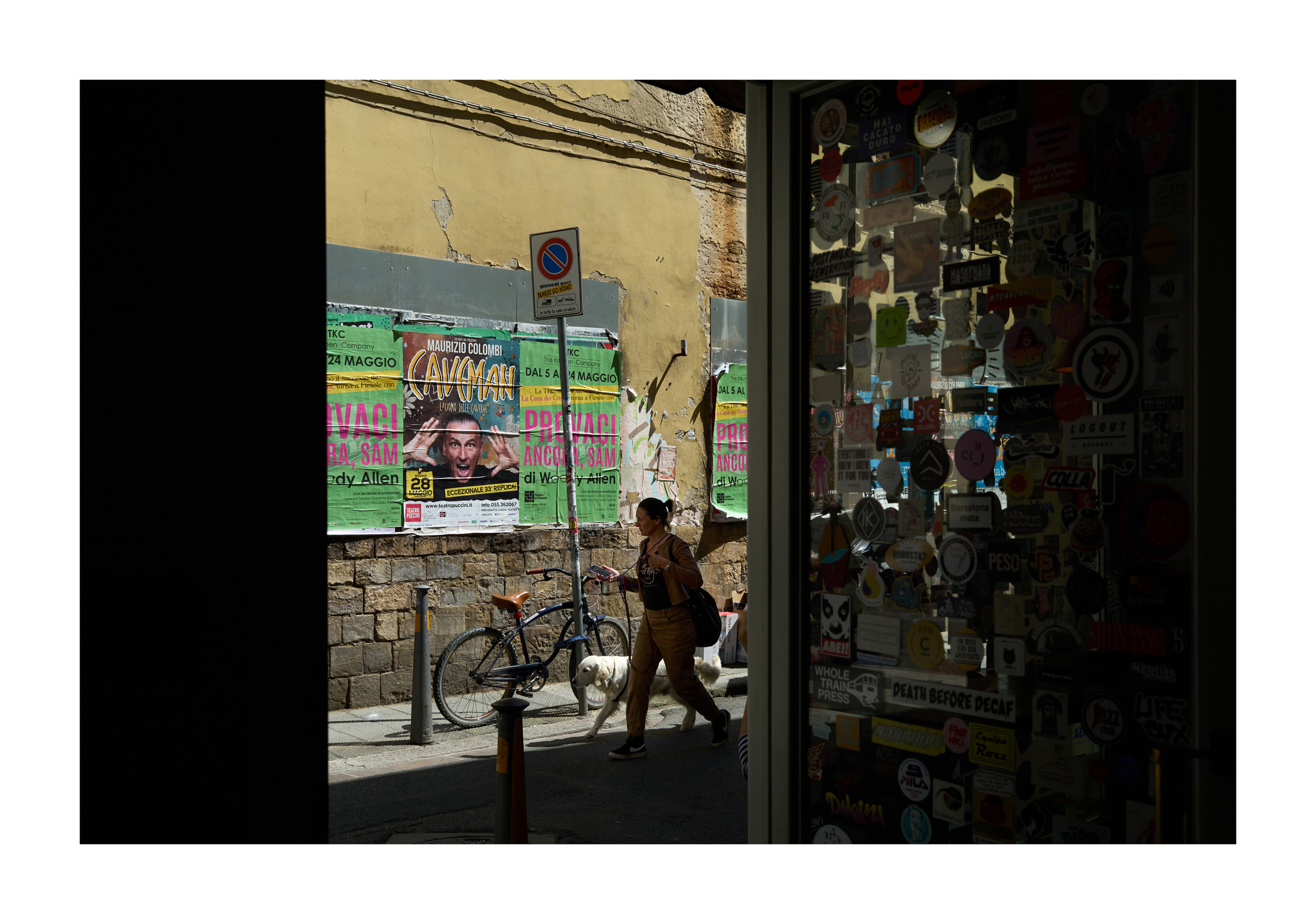
Florence, a casual snapshot of a city.
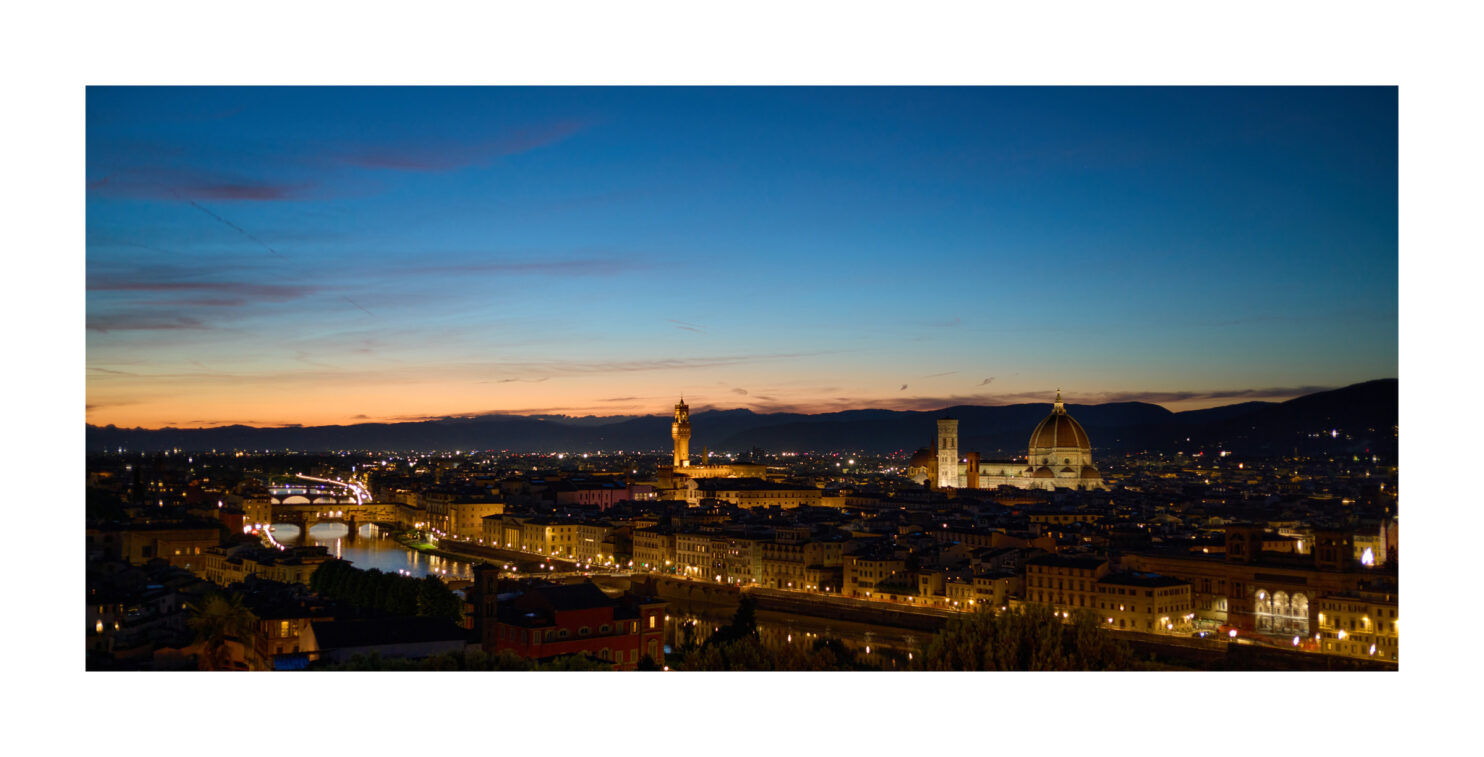
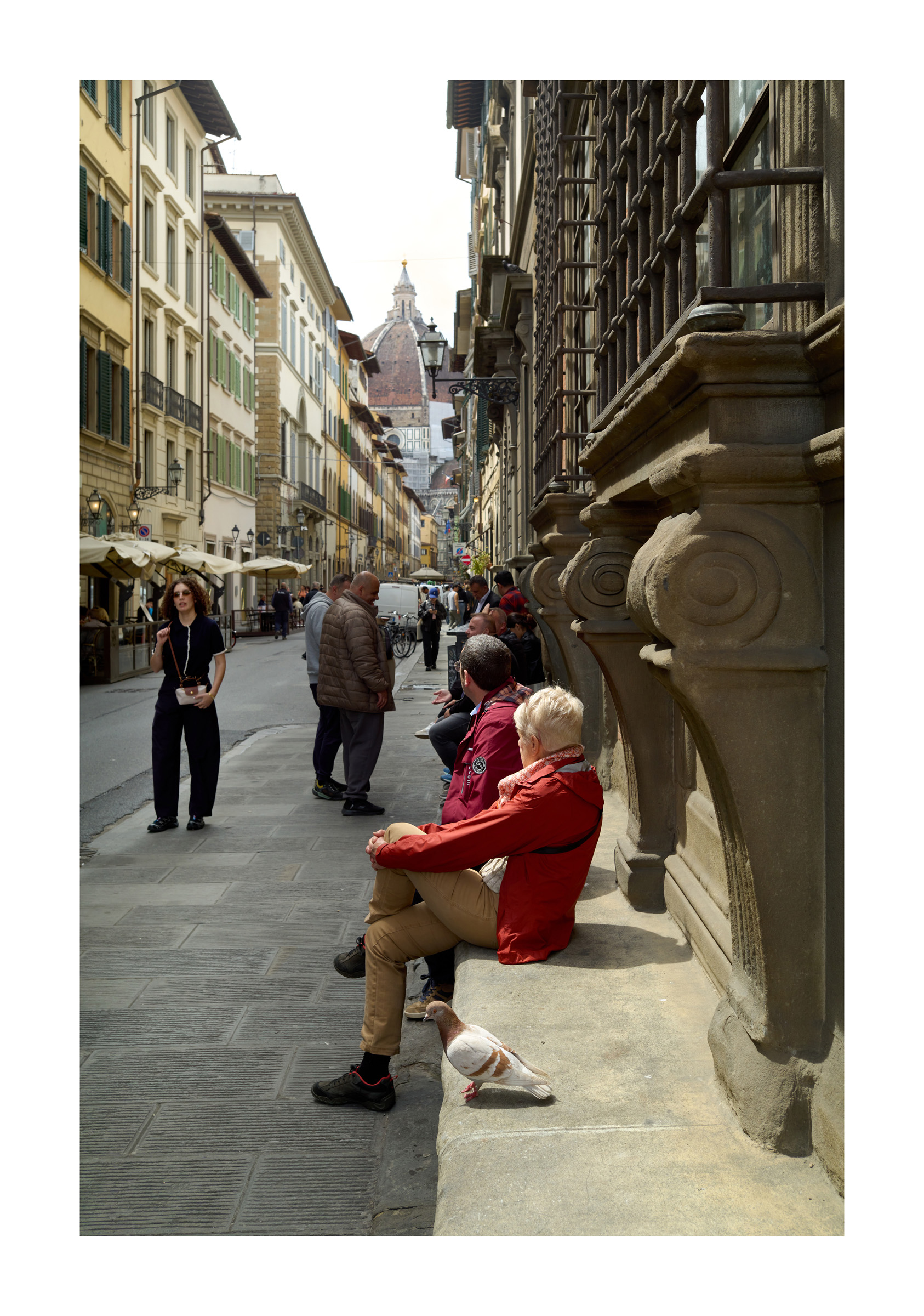
There is a depth to Florence that extends far beyond its Renaissance architecture and celebrated museums. Beneath the grandeur lies a romantic, artisanal way of life, moving to a slower and more graceful rhythm.
As a photographer, I often arrive in a city searching for images before I fully experience the place itself. Light, texture, colour, atmosphere, they tend to reveal themselves first. But Florence is different. It is a city that slowly works its way under your skin before you even think about raising a camera.
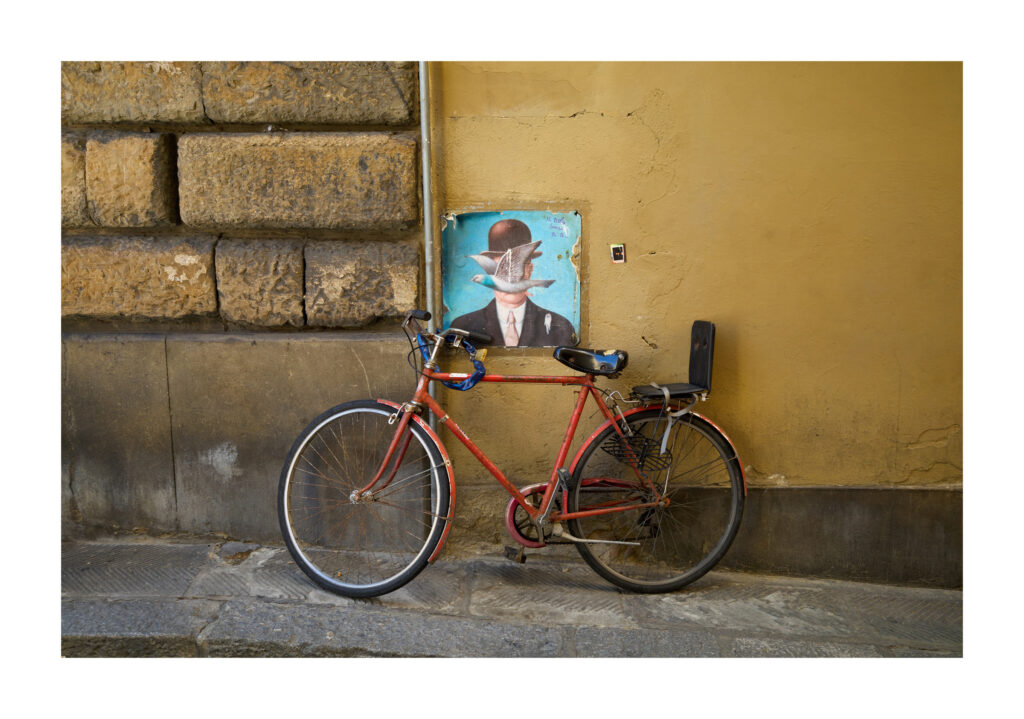
We arrived at Firenze, Santa Maria Novella railway station in the midst of an orange weather warning. Just two days earlier, Florence had reportedly been basking in temperatures in the mid twenties, yet the station platform greeted us with muted, xylophonic echoes as we rolled our cases across its loose black tiles beneath the rain. Far too early to check into the hotel, we took shelter in a Florentine café. Somewhat disconcertingly, McDonald’s and KFC stared back at us from directly across the street. Beyond the windows, stair-rods of rain lashed the cobbles, throwing up a misty haze, and for a moment I wondered whether the plane had quietly turned around and deposited us back in Manchester.
Yet it did not take long for the city to reveal its true character.
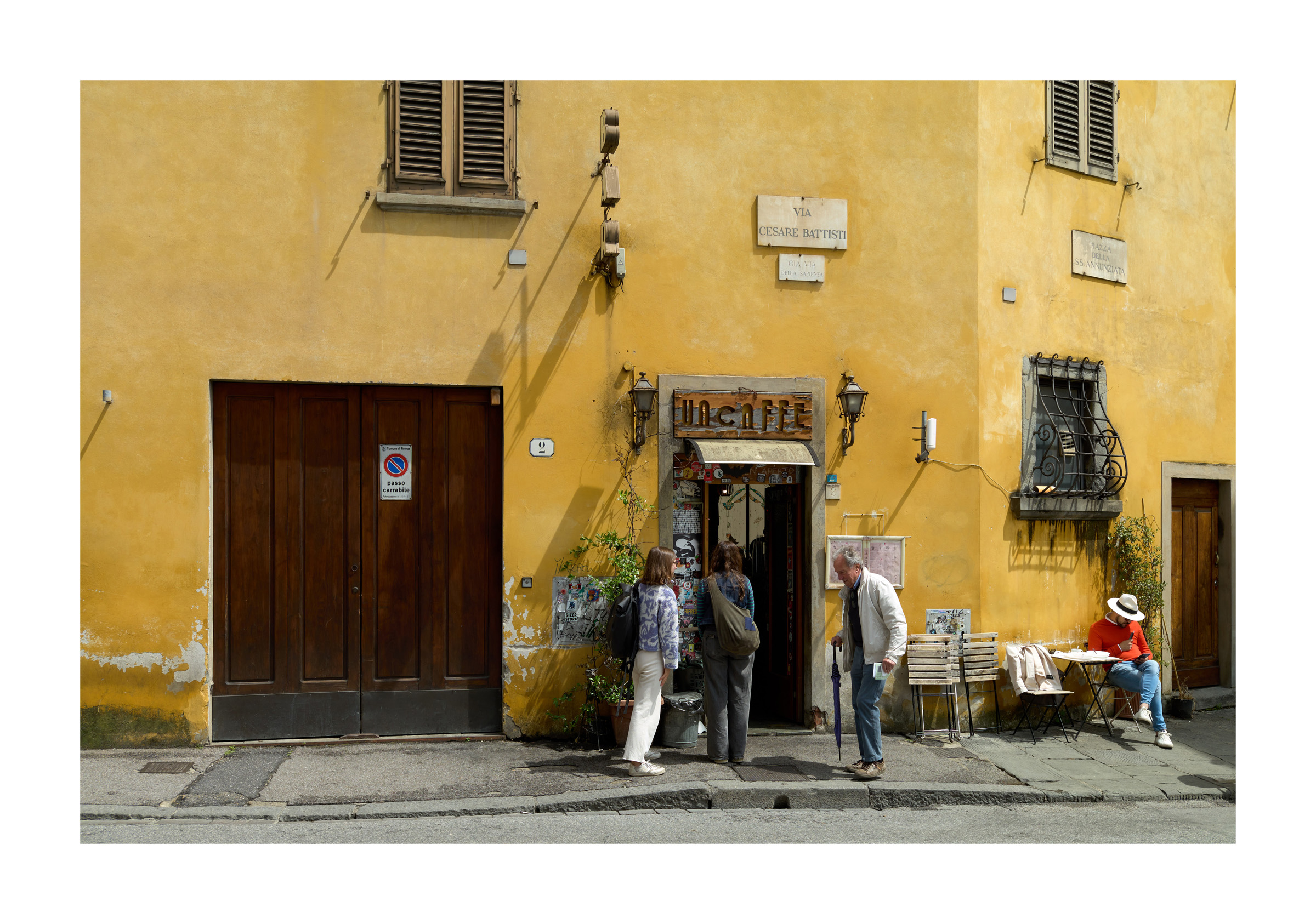
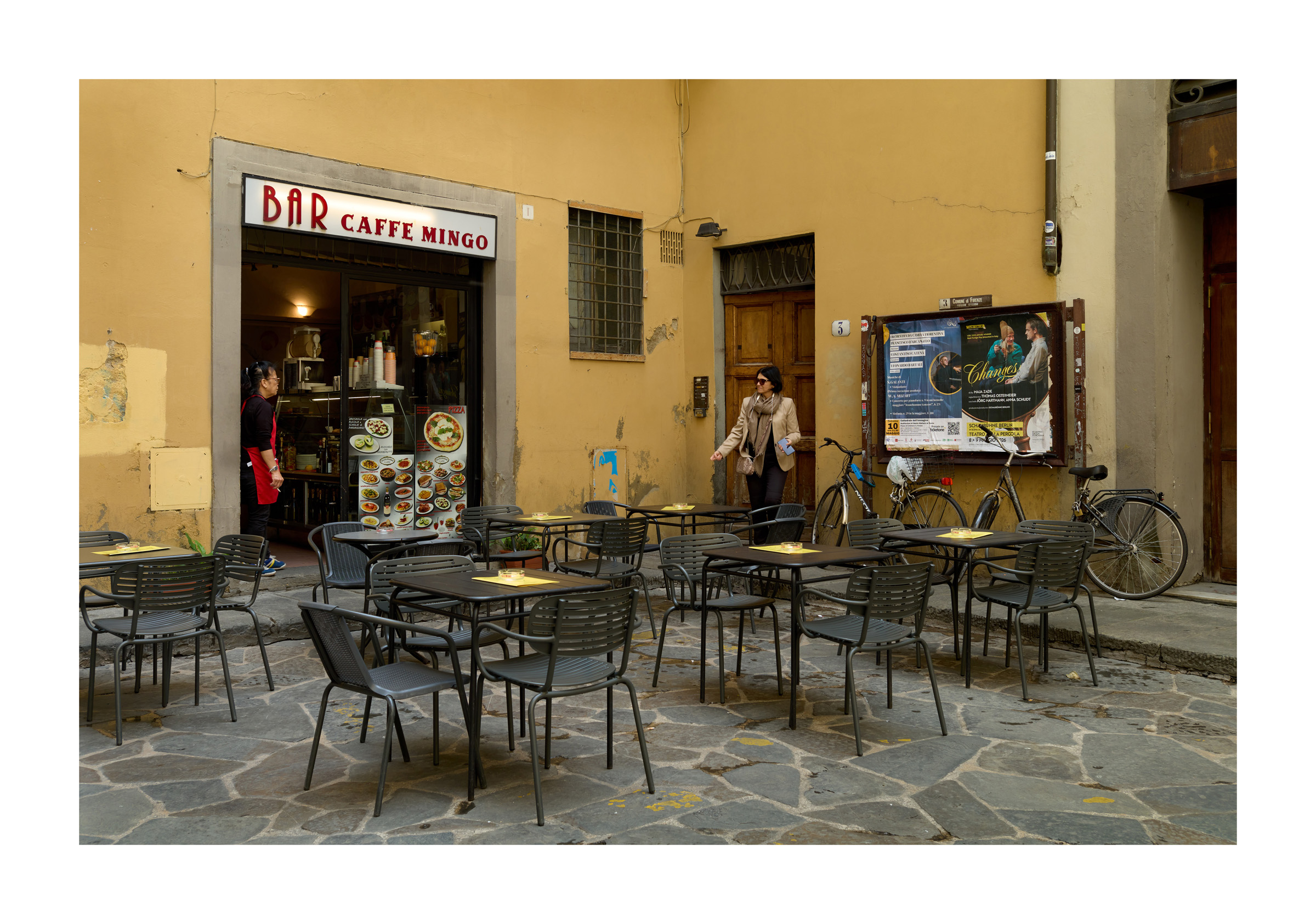
There is a distinctive espresso culture unlike anything I’ve experienced before. Blue and white collar workers gather shoulder to shoulder around the counter, much like we once did while waiting for film to be processed. Even the pricing reflects the ritual, there is a separate counter price for espresso. No ginseng, no chocolate, no tea, no orzo, no decaf; just pure, unadulterated shots of espresso. It feels communal, unhurried, almost theatrical. For a few minutes life slows, conversations spark, cups are drained, and then, just as suddenly, everyone disappears back into the rhythm of work.
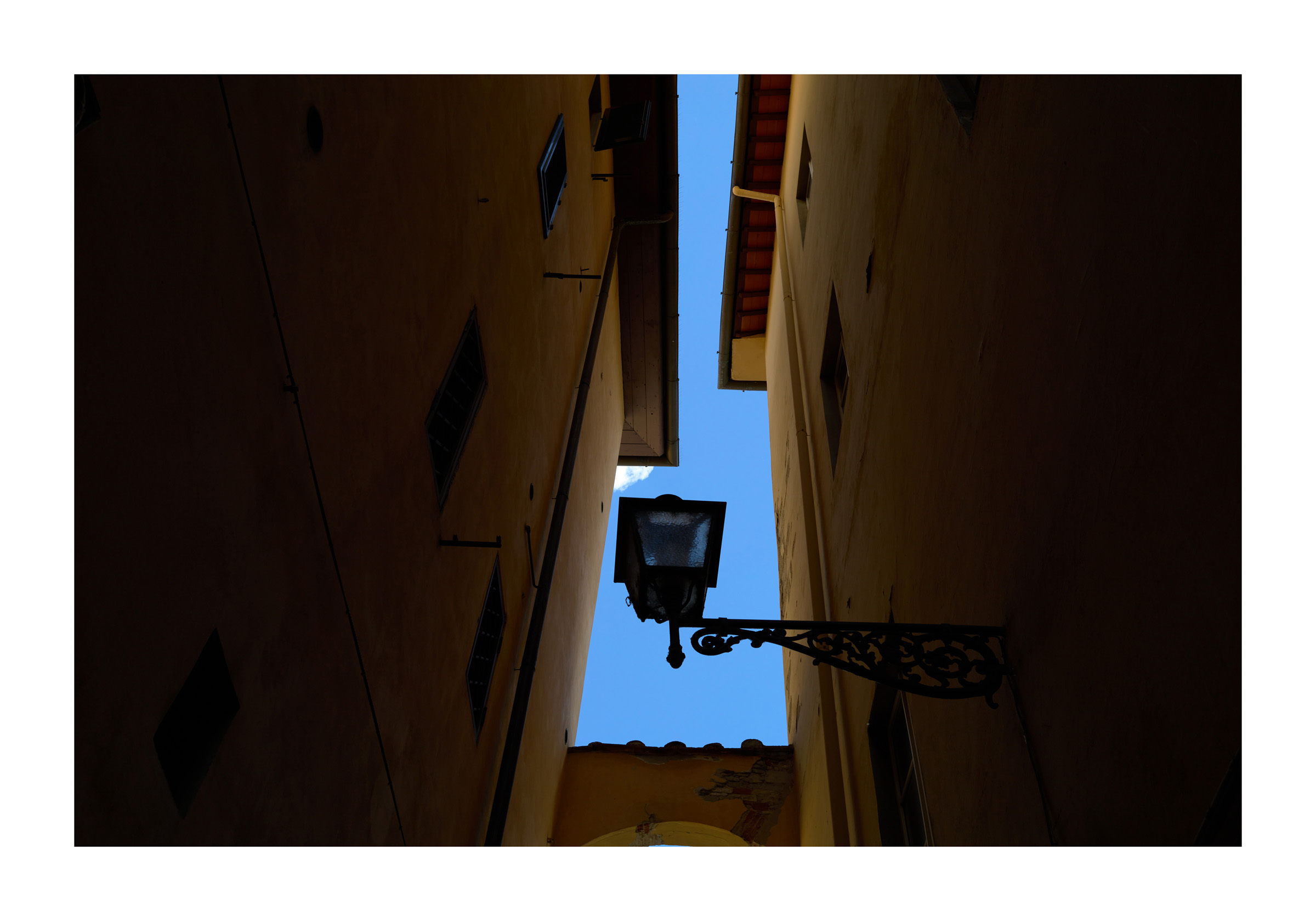
It is difficult not to romanticise a culture that seems to move at the pace of conversation. Within the warren of narrow streets are enclaves of artisan shops in every conceivable form, butchers, bakers, artists, architects, pillow makers and chandelier restorers. Nothing feels rushed. An artist works quietly in the studio behind her gallery, her paintings hanging at the front beneath polite signs insisting: “Do not touch”. Architects huddle around a central table strewn with plans and drawings, deep in discussion, while a chandelier restorer dances delicately between his creations suspended from a ceiling that feels just a little too low.
There are pillow makers and bookbinders too. I have always loved handmade books; there is something deeply tactile about a notebook crafted by hand. It seems to carry a sense of purpose before a single word has even been written, almost begging to be filled.
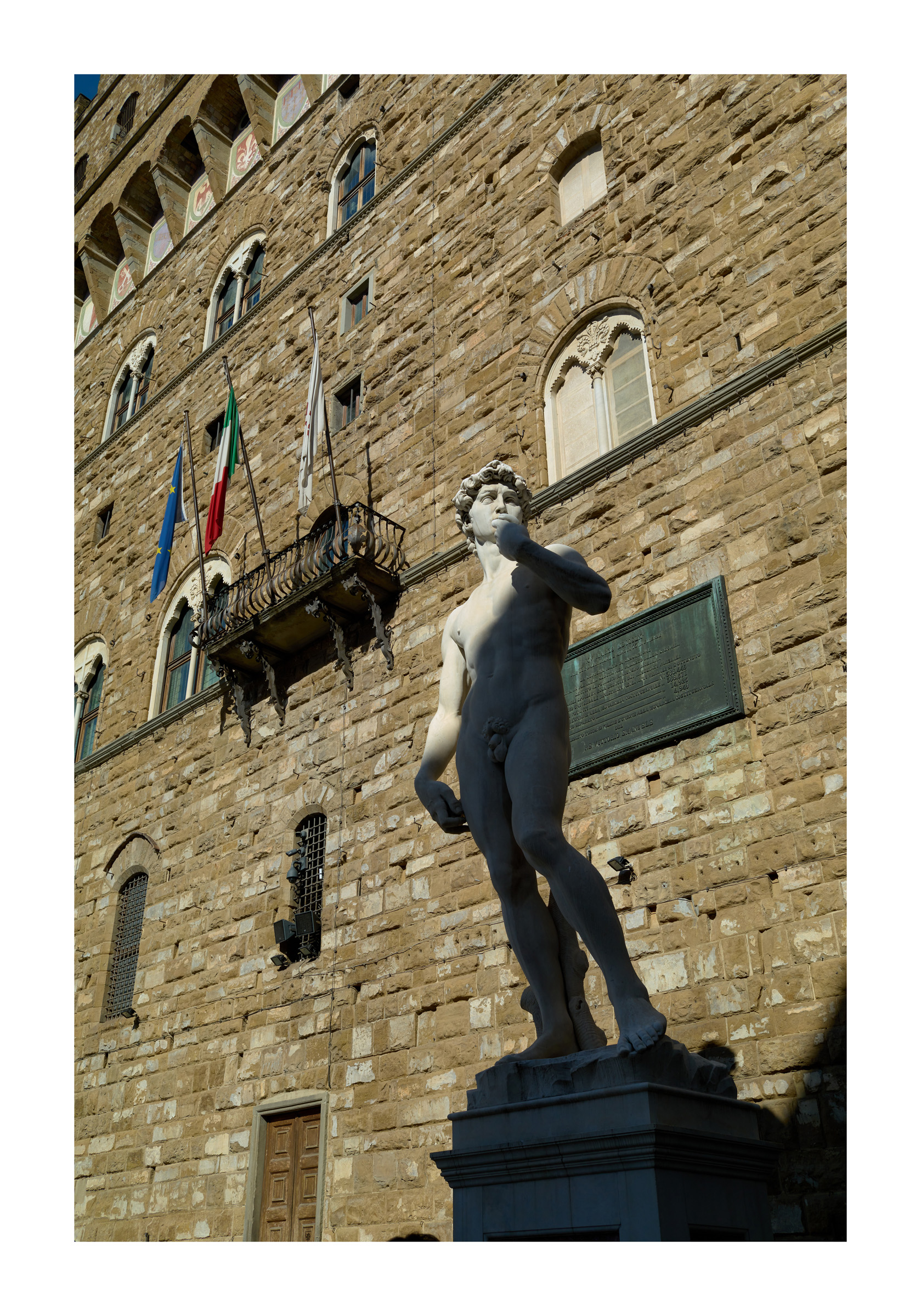
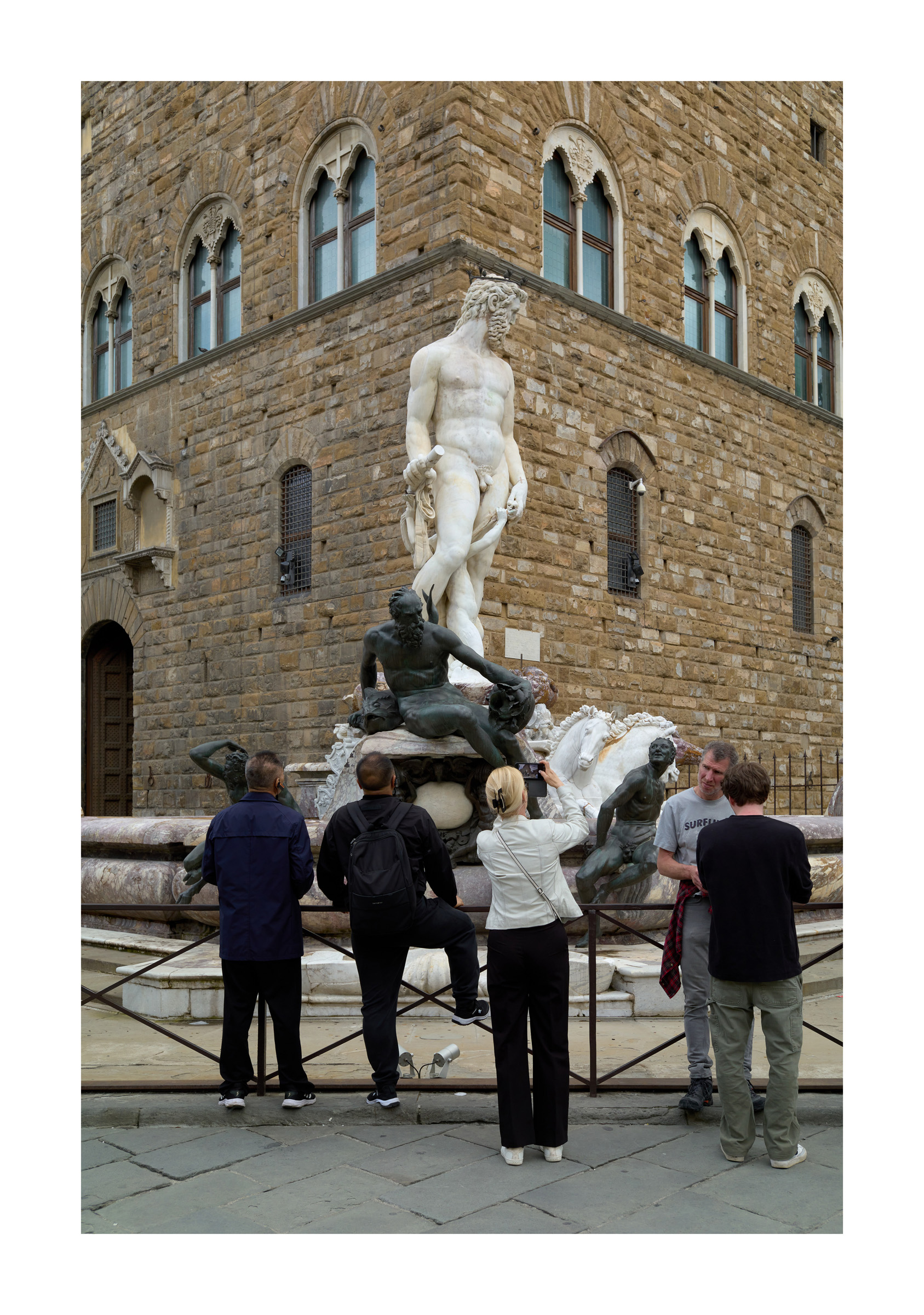
Walk into Piazza della Signoria and you are immediately dwarfed by the colossal statues that dominate the square. They possess an almost unnerving presence, as though they might spring to life at any moment. I half expected a scene from Jason and the Argonauts to unfold before me, marble figures suddenly animated in dramatic battle. Nothing quite so theatrical occurred, although I was entertained by a fountain jetting water in a manner more reminiscent of a scene from a Carry On film, cue the unmistakable laugh of Sid James.
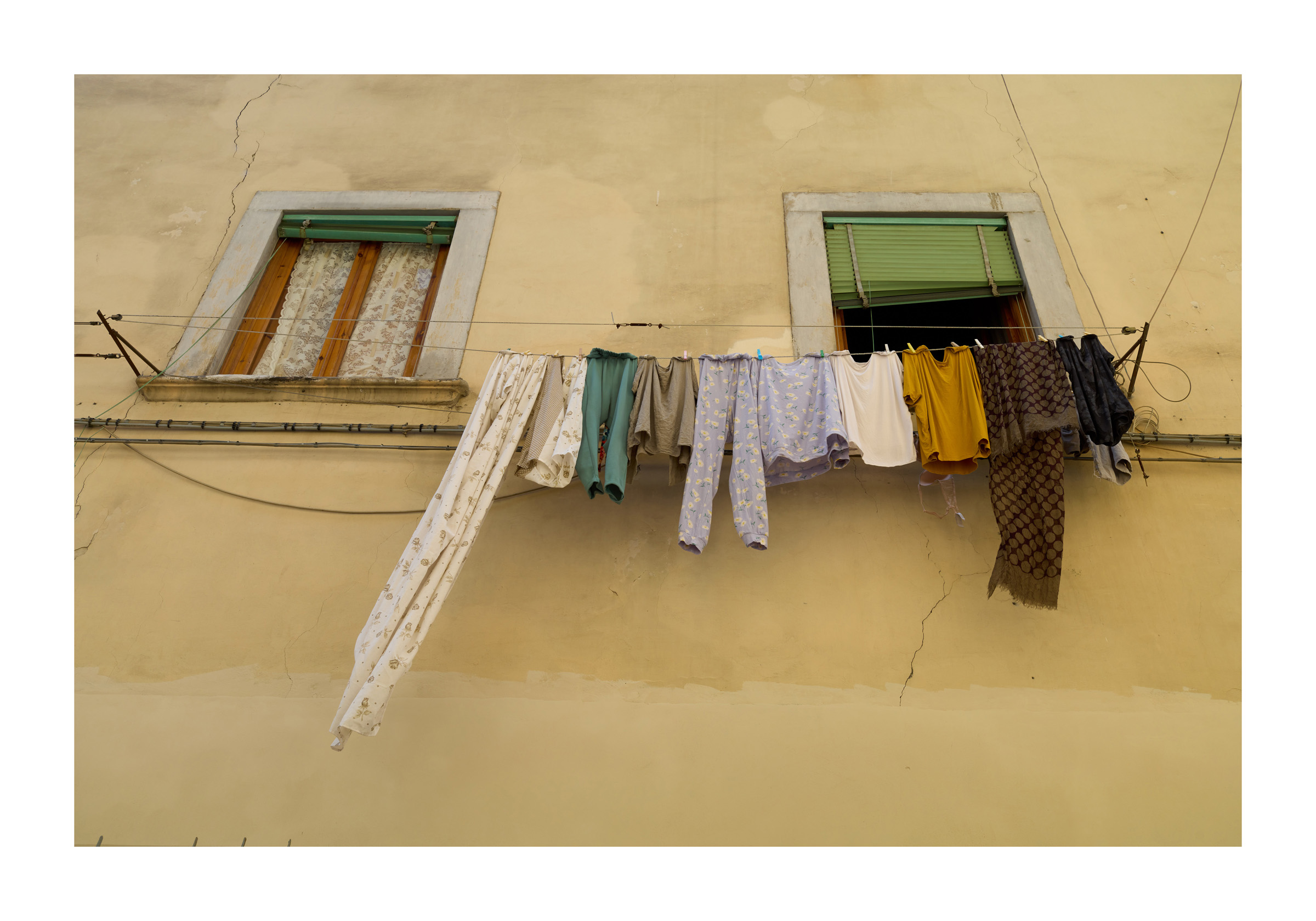
Florence may be ancient, but it feels remarkably pristine. It carries the polished charm of a picture postcard city, its buildings maintained with an almost obsessive care. Unlike Venice, you rarely encounter crumbling render or neglected façades. This is a city that feels orderly, clean and quietly efficient. The buses arrive on time, and, rather impressively, so do the impromptu ticket inspectors.
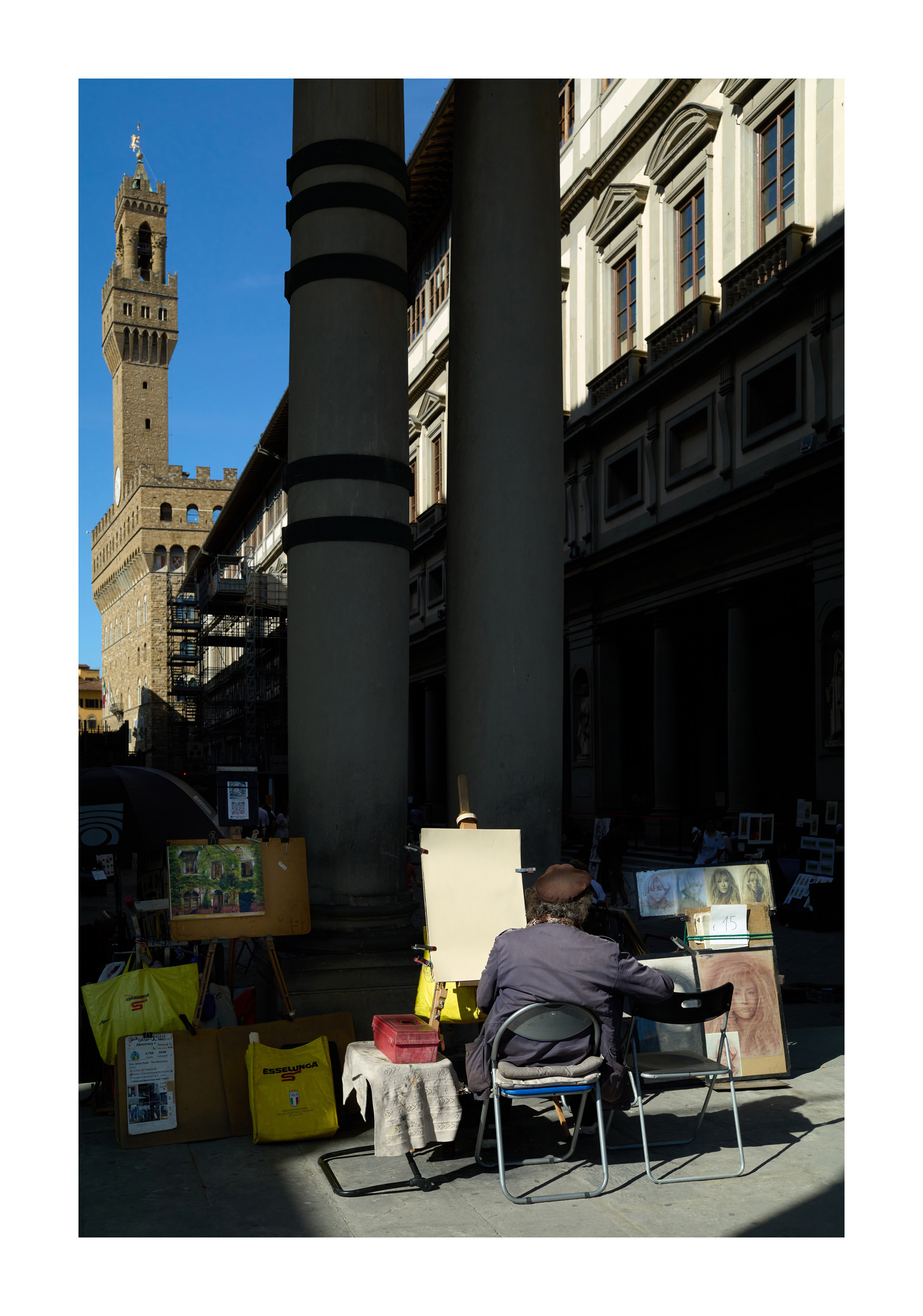
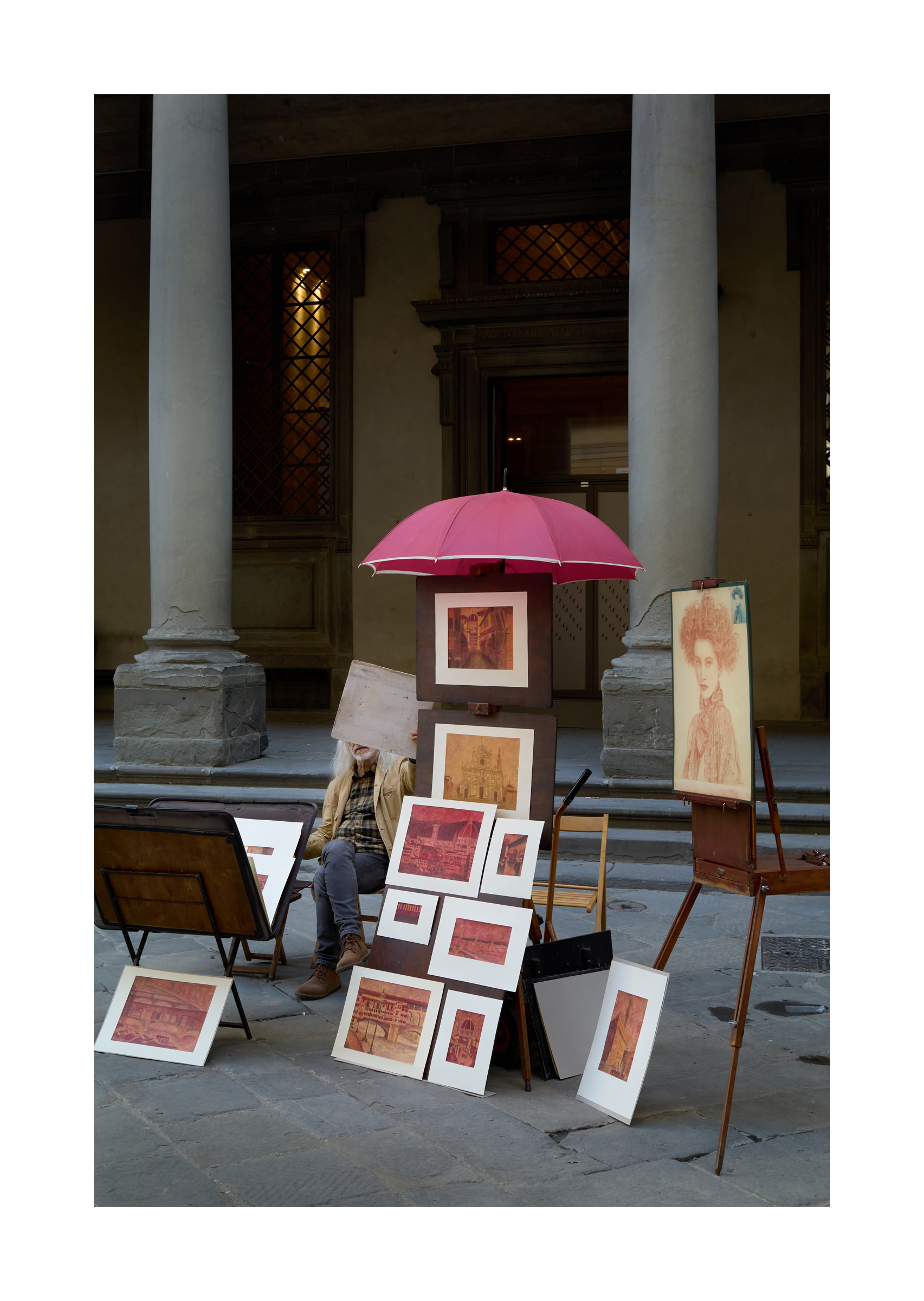
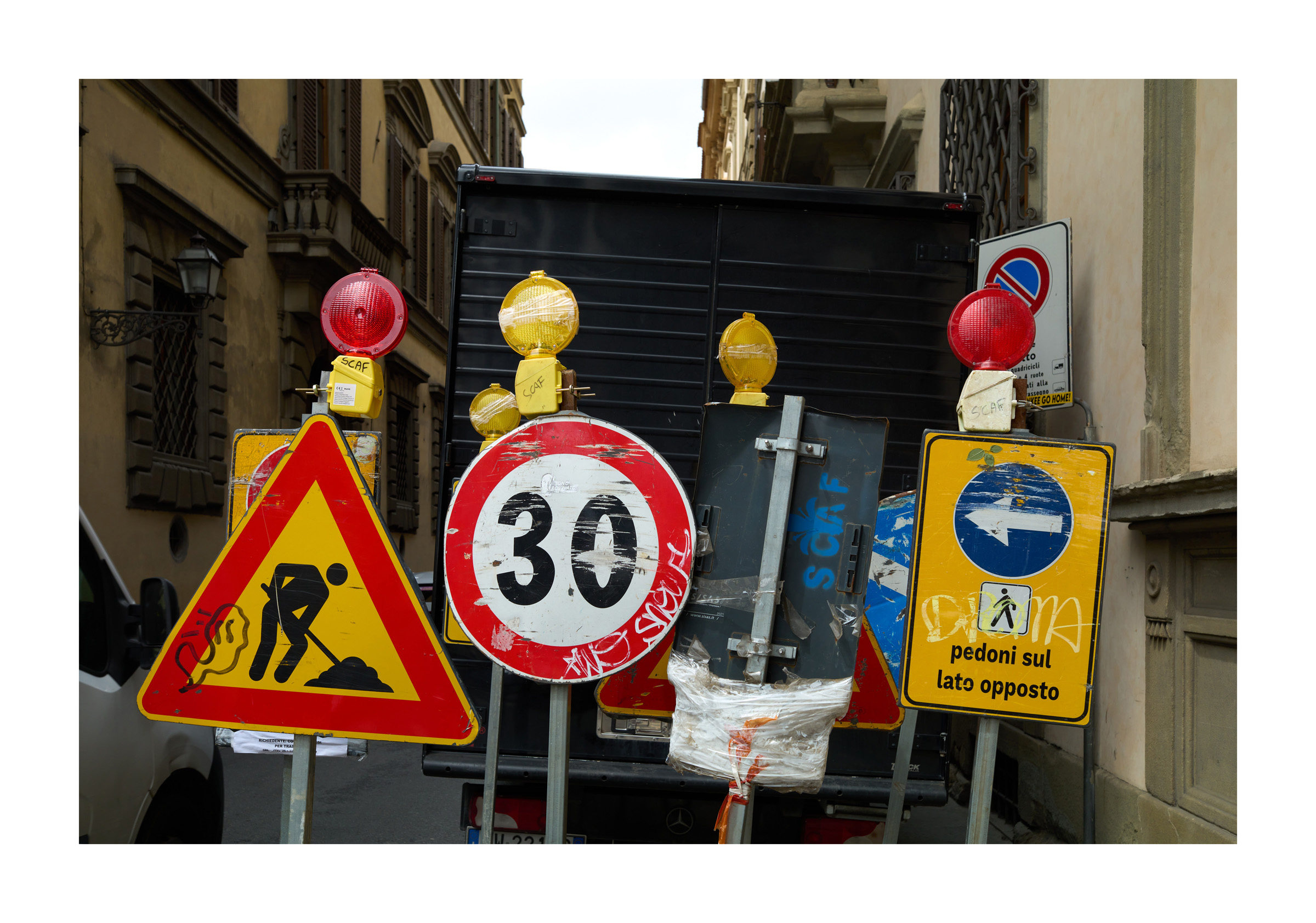
There is little need for sprawling shopping malls here. Designer boutiques sit comfortably alongside independent shops, both blending seamlessly into the traditional architecture. Around almost every corner there are pop-up galleries, cafés and workshops. Florence does not demand expensive tickets or carefully planned itineraries to experience art; simply walking through the city is enough. Art presents itself constantly, woven effortlessly into everyday life.