The Last Resort, 40 Years On.
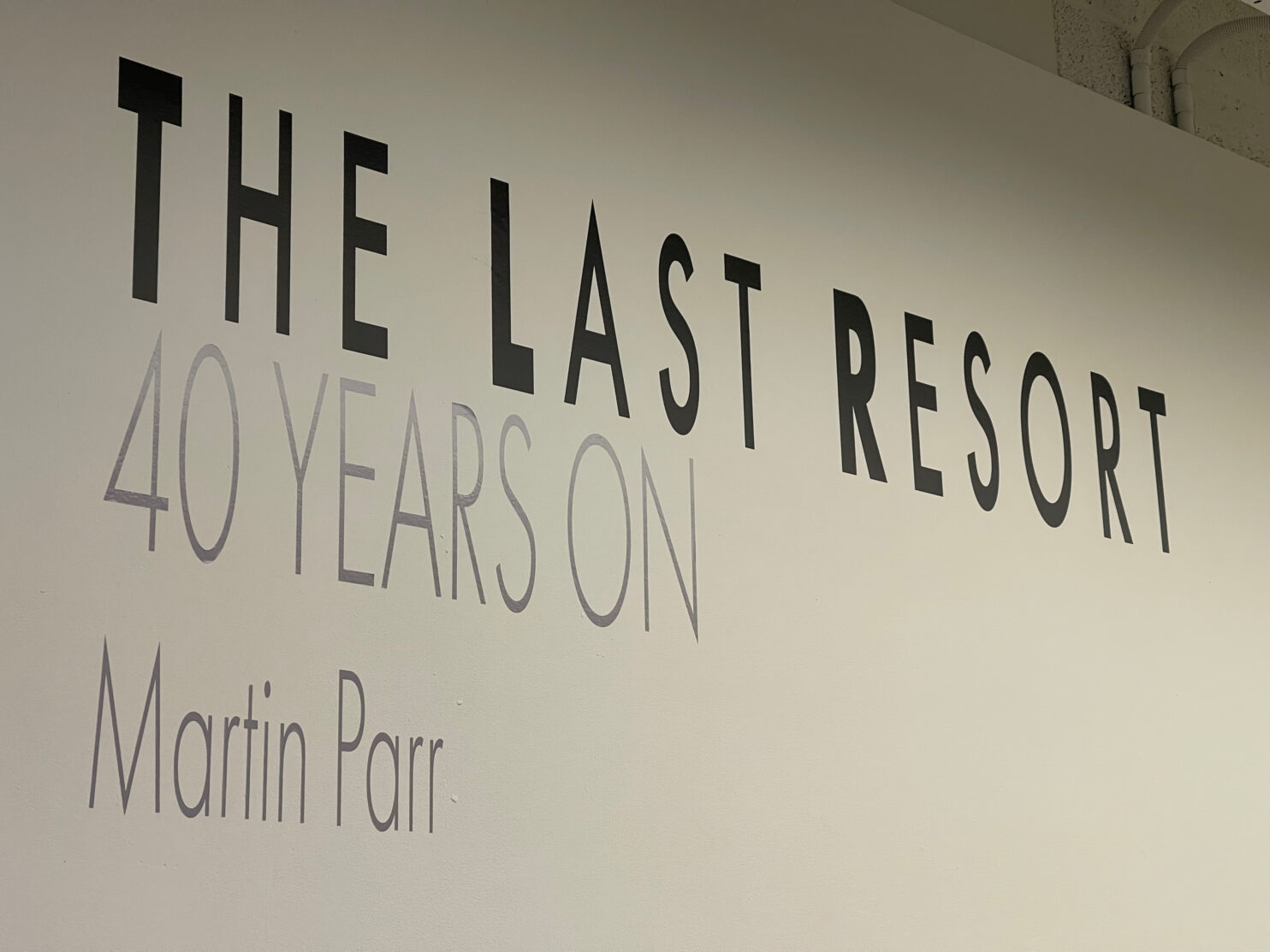
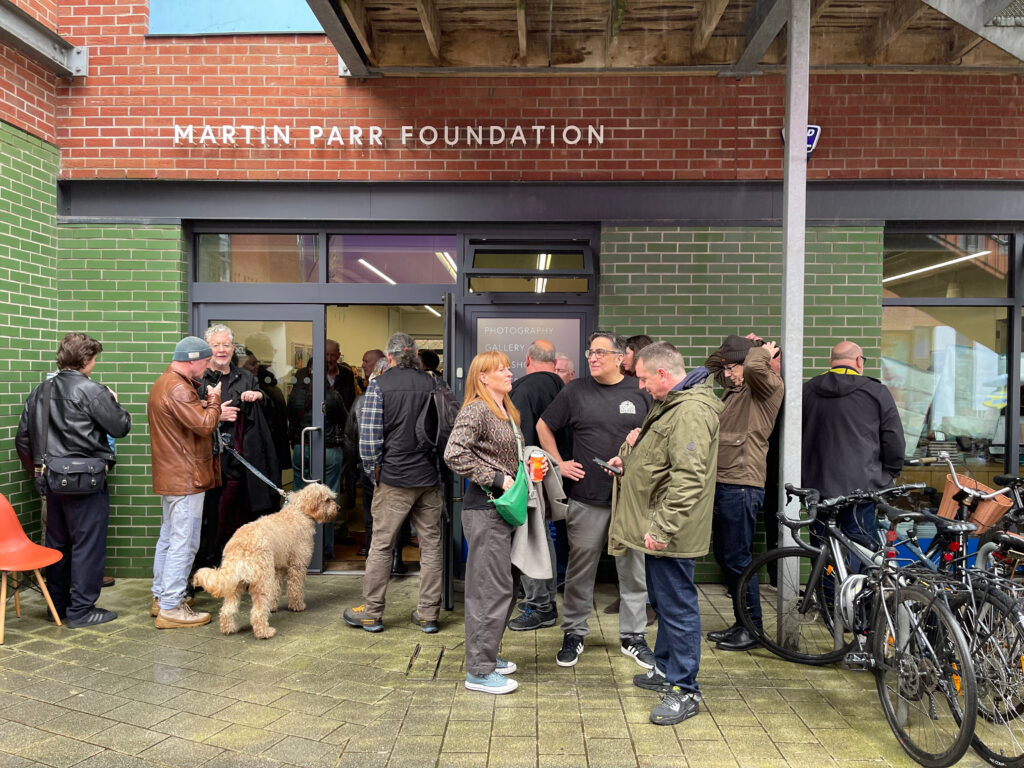
Last weekend I headed down to Bristol to the Martin Parr Foundation for the first time. It’s been on my list for years, one of those places i’ve mean’t to visit and never quite got around to.
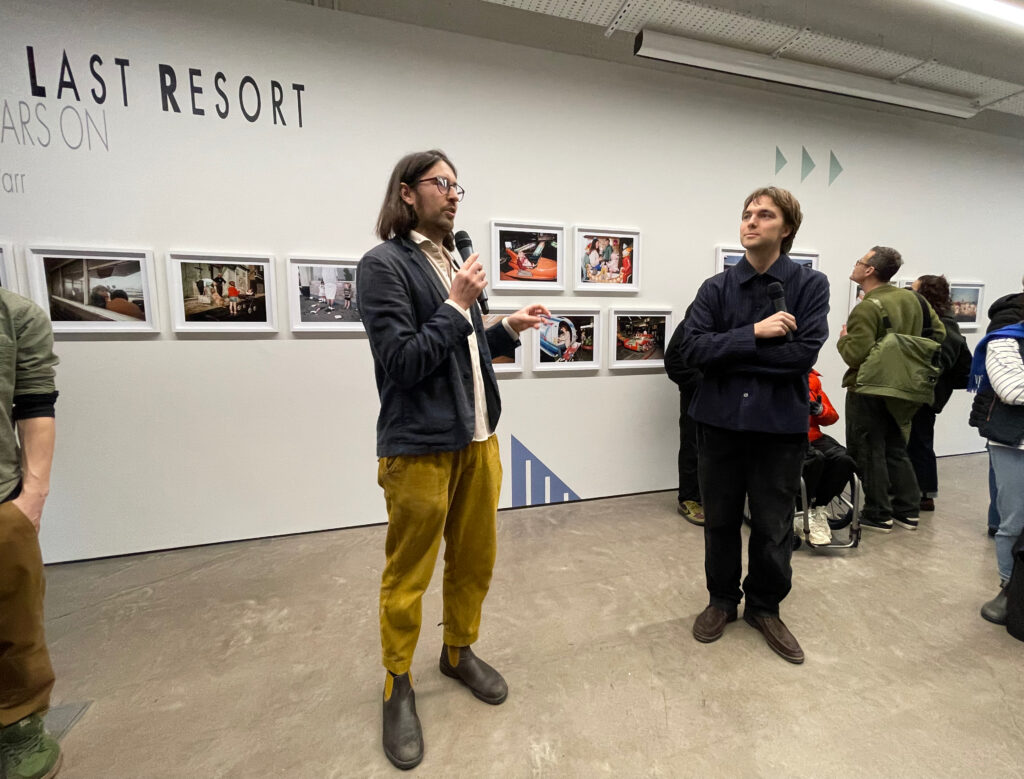
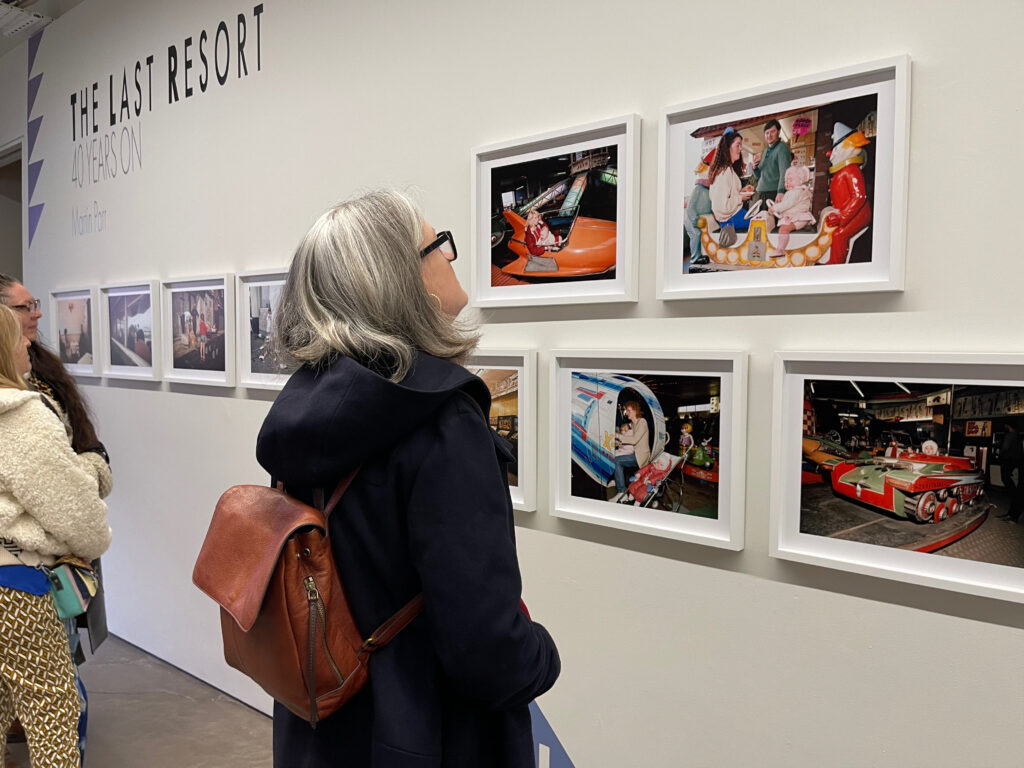
To mark the passing of Martin Parr on 6th December 2025, the Foundation reopened on 20th February with an exhibition of images from his seminal 1980s series The Last Resort. The preview ran 20–21 February 2026.
This was the work that put him firmly on the map, the project that elevated him from documentary photographer to one of Britain’s most influential image makers.
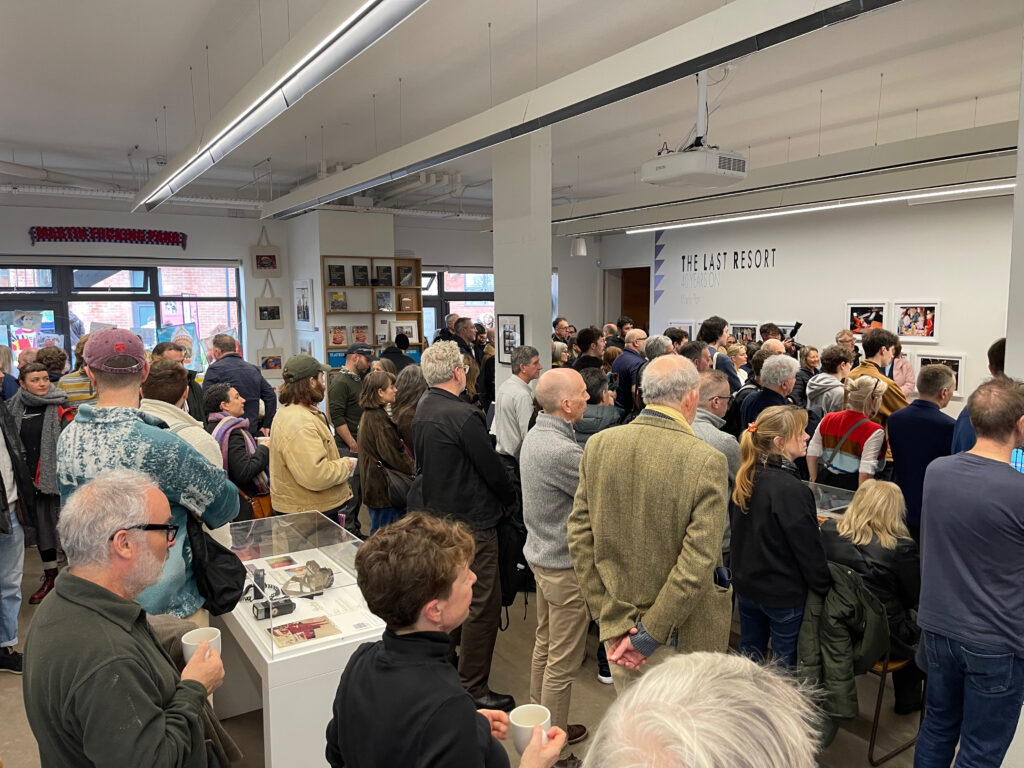
I drove down on the Friday with the intention of catching it on the Saturday. No tickets or time slots. Just turn up. Given the publicity surrounding his death the month before, I expected a crowd, and I wasn’t wrong. The entrance was heaving. There were marquees outside for food and somewhere to perch and it felt less like a private view and more like a gathering.
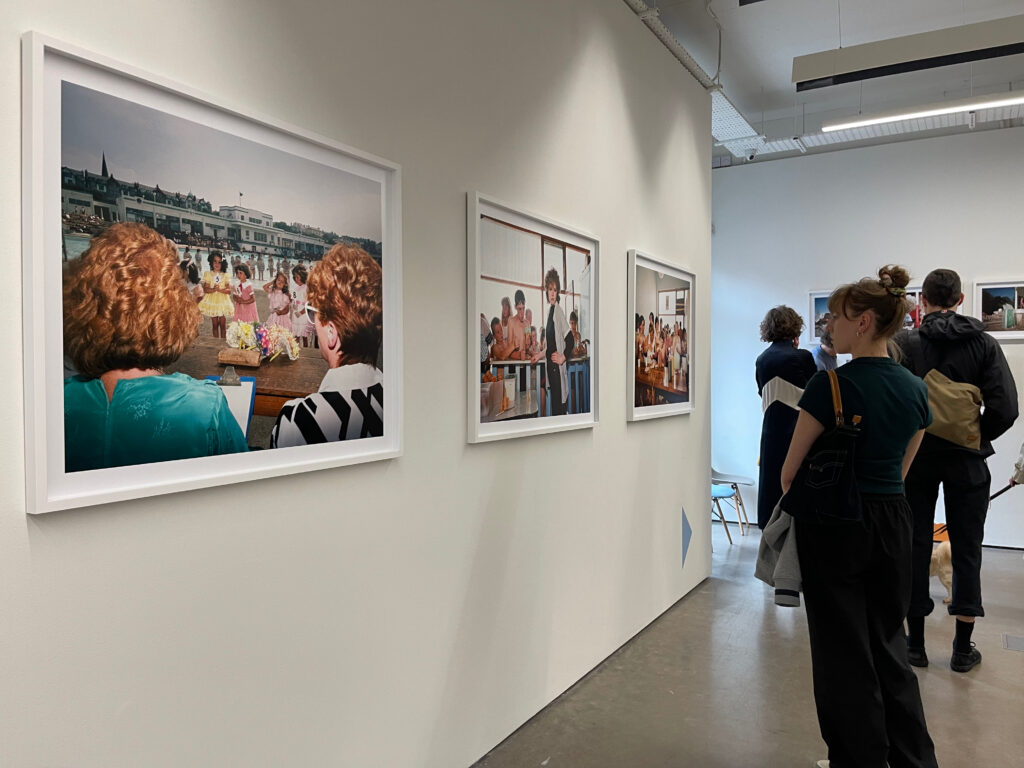
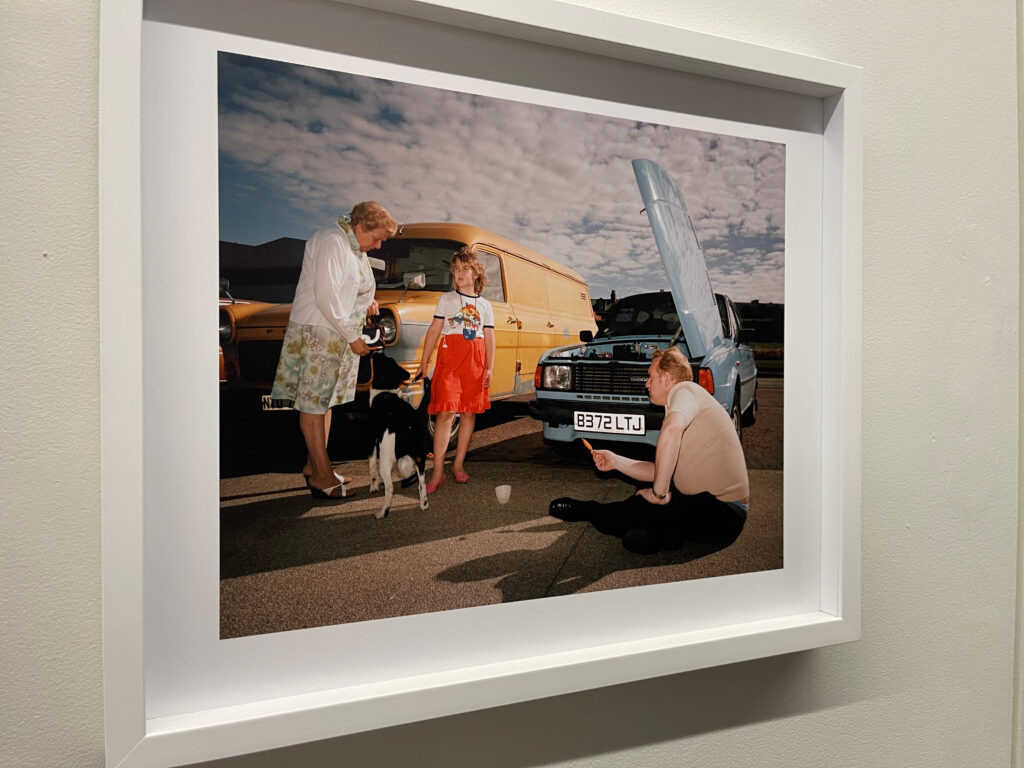
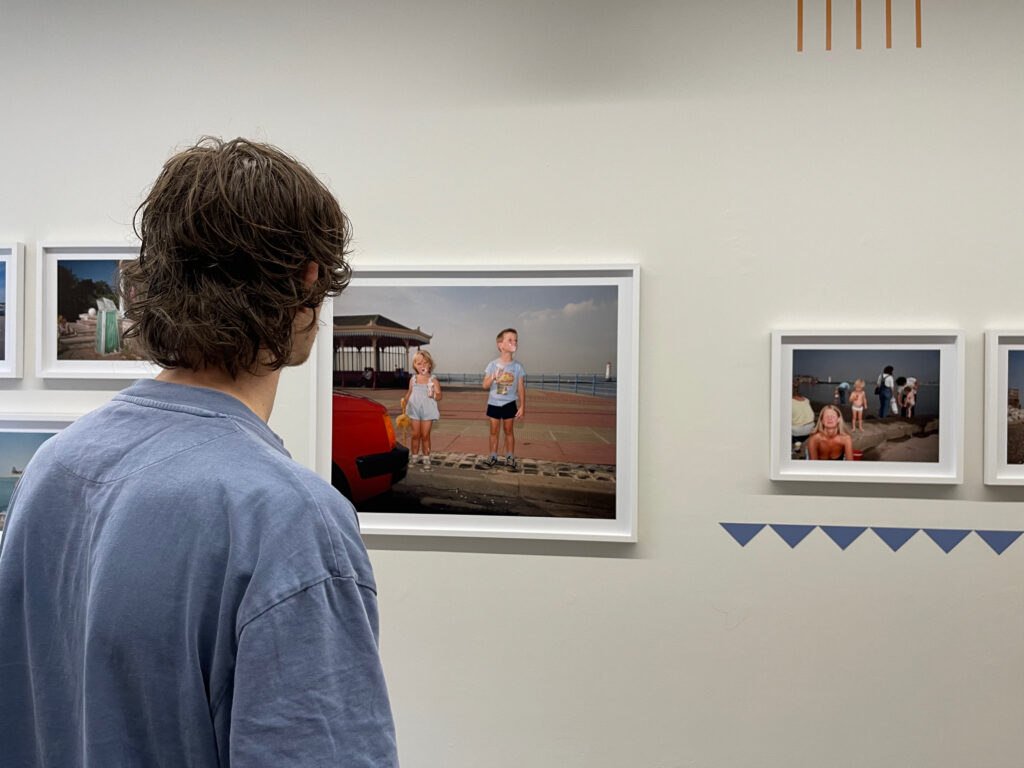
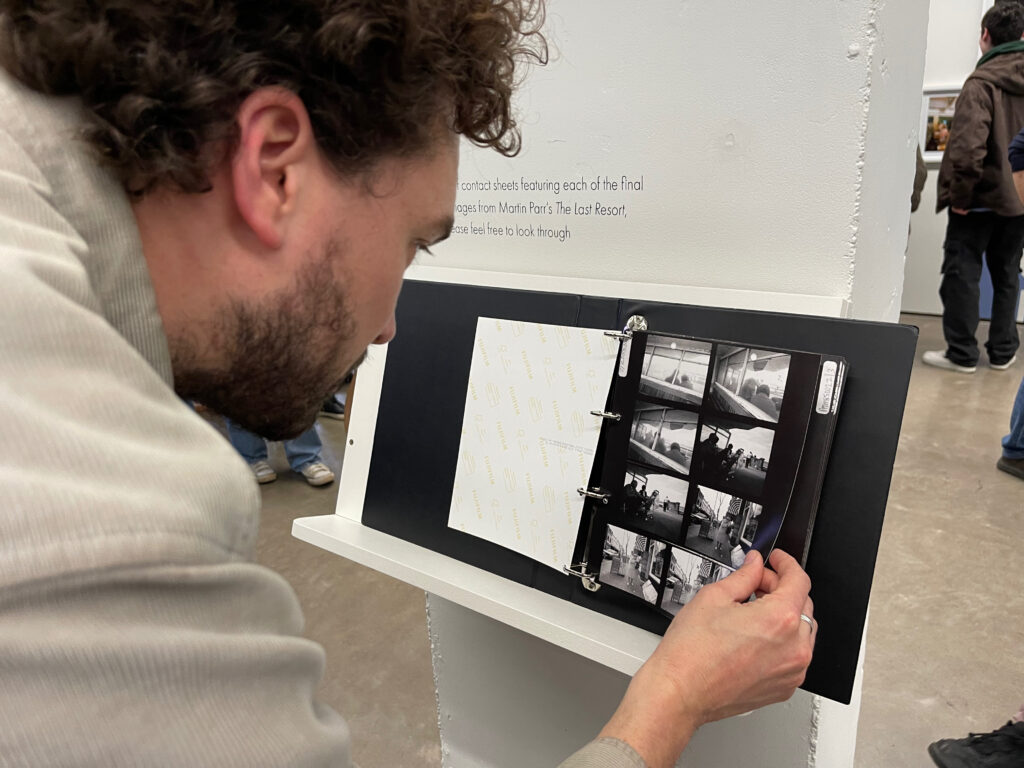
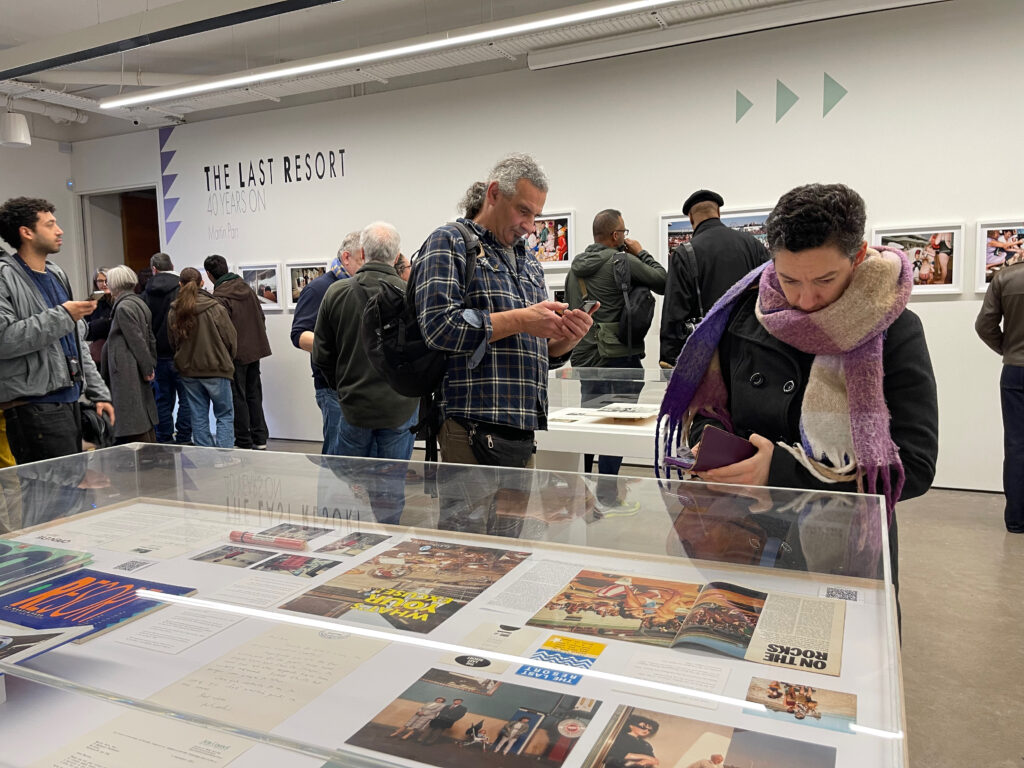
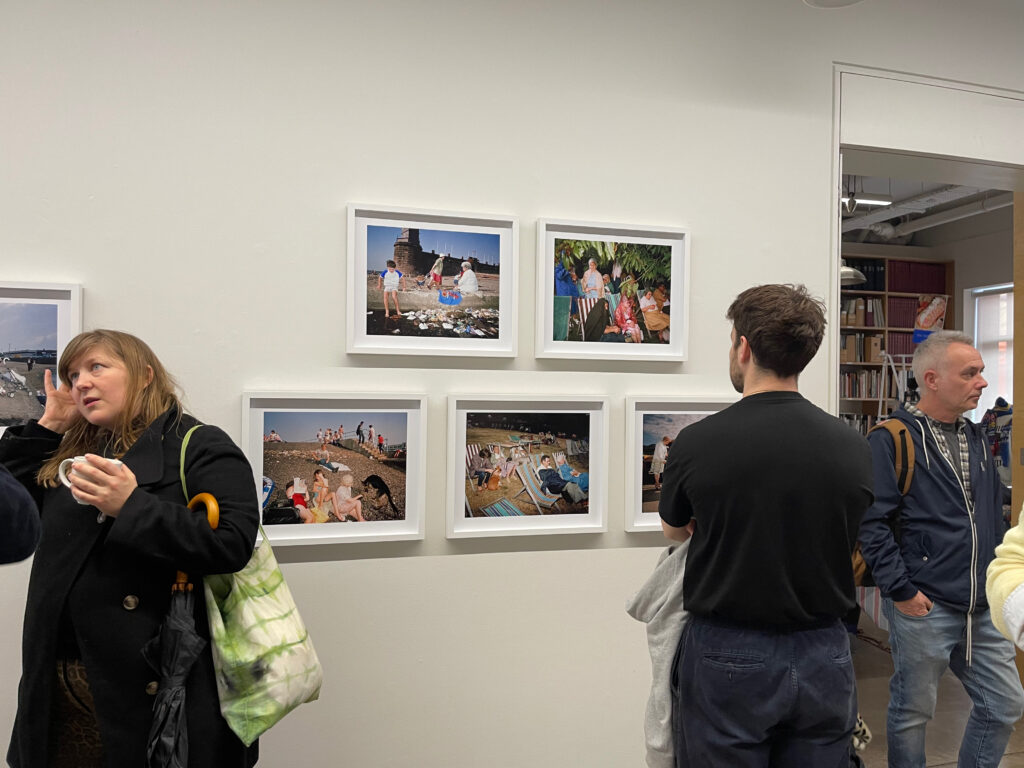
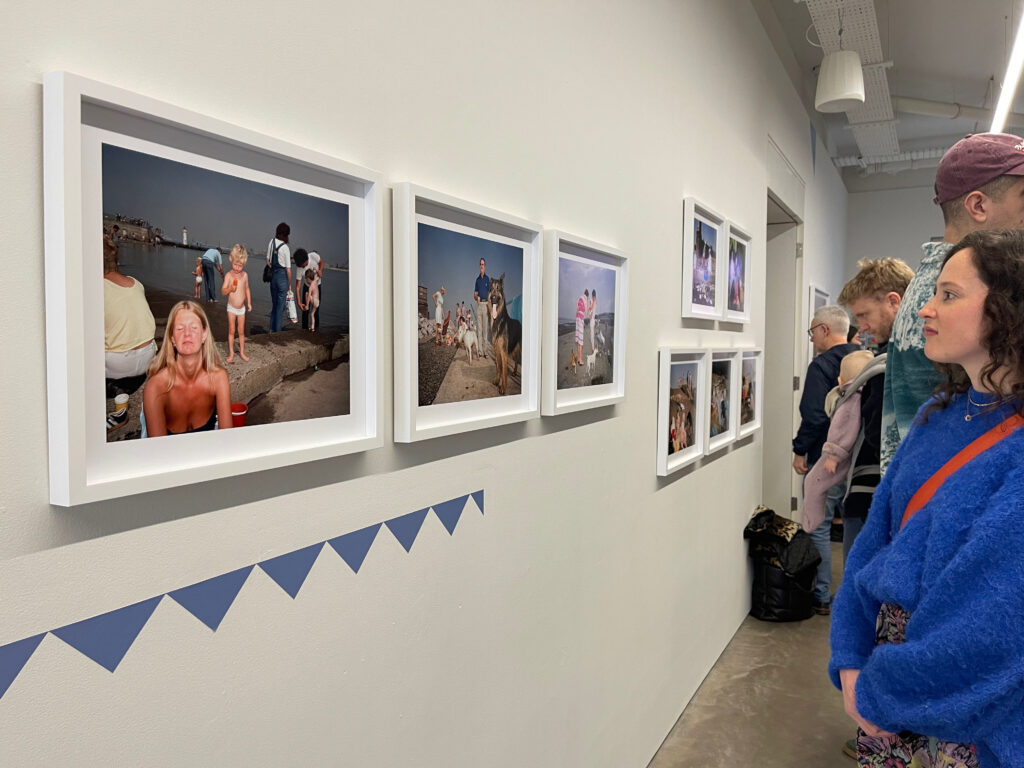
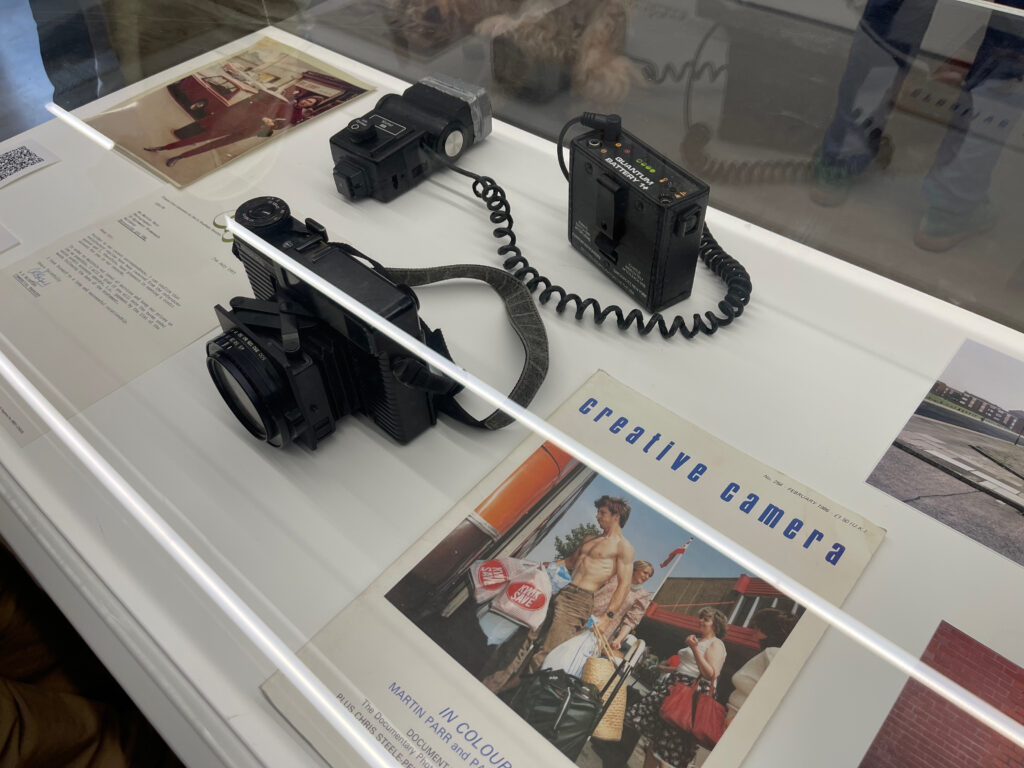
Inside, the full set of images from the original The Last Resort book was on display. Seeing them together as a complete body of work rather than isolated prints mattered. In the centre of the space were cabinets filled with ephemera: references to his influences, printed material, camera equipment and letters, giving context and clues.
Over twenty years ago someone told me one of my photographs reminded them of Martin Parr. At the time, I had no idea who he was. When I looked him up, I’ll be honest, I didn’t get it. I’d spent the previous fifteen years in commercial photography: controlled lighting, polished surfaces, constructed realities. Everything refined and perfected. His pictures felt like the opposite. At first glance they looked like throwaway snapshots, chaotic, harsh, unapologetically ordinary.
But time does what time does.
I’ve since seen numerous exhibitions of his work. I even had dinner with him while serving on the North West BIPP committee. He signed a book for me. And somewhere along the line my perspective shifted. What once felt careless revealed itself as razor sharp. The satire. The timing. The colour. The anthropology. His work isn’t accidental, it’s deliberate, observant and quietly intellectual. A character study of Britain that’s both affectionate and unforgiving.
And that’s why it endures.
Looking at photographs made forty years ago, you notice what’s changed, the clothes, the branding, the colours, all dated. But the awkwardness, the quiet absurdity of how we present ourselves in public? That’s timeless.
On the surface it’s sunburn, chips, plastic chairs and overflowing litter bins. Underneath it’s class, aspiration, consumerism, identity. It’s Britain holding up a mirror to itself, not entirely comfortable with the reflection, but compelled to stare.
I’ve spent most of my career polishing things to within an inch of their life, crafting controlled, considered commercial imagery. And I’ve come to respect the discipline in work that appears loose. Parr proves you don’t need spectacle. You need intent. You need clarity. And you need the nerve to say what you’re saying without dressing it up.
Leaving the Foundation on Saturday evening, it struck me that influence isn’t about imitation. It’s about permission. Permission to look harder. To be honest. To trust your own way of seeing, even if it doesn’t look “perfect” at first glance.
Maybe that’s the real legacy of The Last Resort. Not just a record of 1980s Britain, but a reminder that photography, at its core, isn’t about polish.
It’s about truth.